About Underground HDPE Double Wall Corrugated Pipes
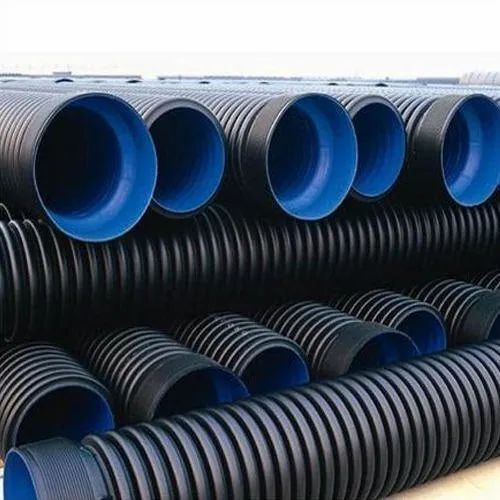
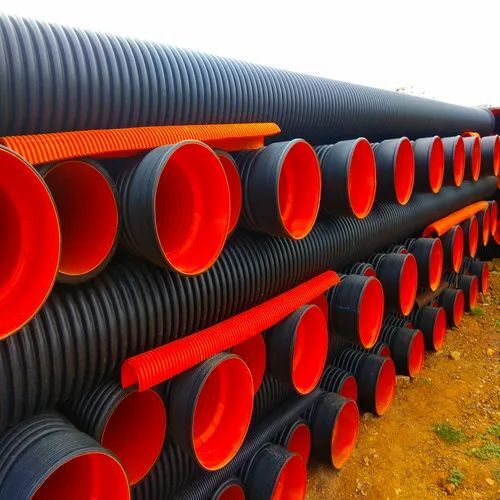
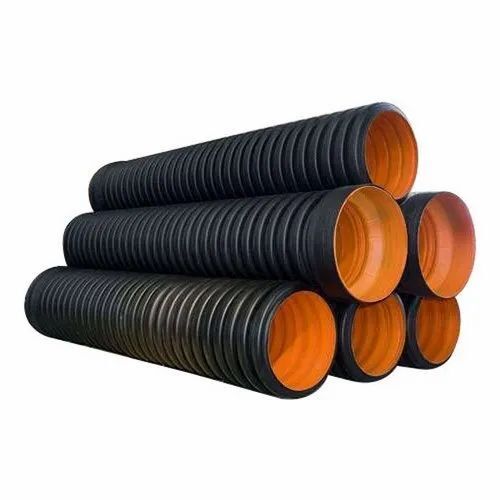
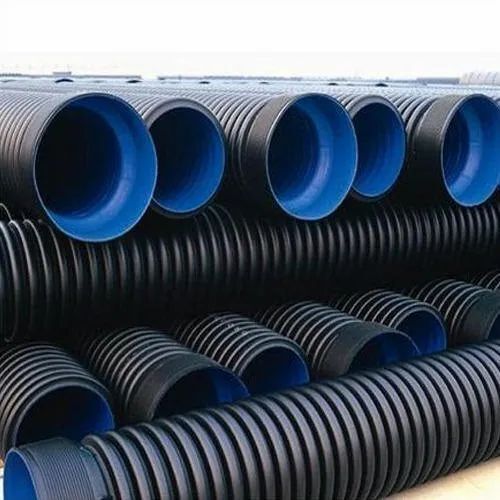
Underground DWC Pipe is a high-quality plastic pipe, which is apt for underground infrastructure applications such as drainage, sewage, and cable protection. It has a double wall corrugated design, which adds to its enhanced structural strength as well as high stiffness. It can be used in harsh soil as well as environmental conditions. This is an easy to install, lightweight and flexible, to use pipes, which makes it a popular choice for several construction projects. It is resistant to corrosion, chemicals and abrasion, due to which it can be used in harsh environments.
Superior Flow and Structural RuggednessThe smooth inner surface of these HDPE double wall corrugated pipes minimizes friction, achieving high hydraulic capacity ideal for drainage and sewerage systems. Meanwhile, the corrugated exterior provides additional strength, enabling the pipes to withstand heavy loads and challenging soil conditions without compromising performance or durability.
Versatile and Flexible Installation OptionsDesigned for both trenchless methods and traditional open trench installations, these pipes adapt to a variety of site requirements. Their high flexibility-with a minimum bending radius of 12 times the outer diameter-allows easy alignment around obstacles and reduces onsite labor, making installation efficient even in complex or constrained environments.
Durability and Environmental AdvantagesConstructed from high-density polyethylene, the pipes exhibit excellent resistance to chemicals, corrosion, and UV exposure. They maintain long-term performance in temperatures from -40C to +60C. Additionally, being 100% recyclable and eco-friendly, they contribute to sustainable infrastructure development while reducing overall environmental impact.
FAQ's of Underground HDPE Double Wall Corrugated Pipes:
Q: How are HDPE double wall corrugated pipes installed in underground applications?
A: These pipes support both trenchless and open trench installation methods. Their light weight and flexible nature allow them to be maneuvered conveniently, while the rubber ring or coupler jointing mechanisms ensure quick, leak-proof connections. The minimum bending radius (12 times the outer diameter) offers further installation flexibility.
Q: What makes the inner surface of these pipes beneficial for fluid flow?
A: The inner surface is engineered to be smooth, which significantly reduces friction losses and promotes high hydraulic capacity. This ensures efficient movement of liquids, making them ideal for drainage, sewerage, and storm water systems.
Q: Where can these HDPE pipes be used?
A: They are suitable for a wide range of underground applications including drainage, sewerage, cable protection, and storm water management. Their robust design enables operation under diverse site conditions and stresses.
Q: What is the expected lifespan of these pipes and how do they withstand environmental factors?
A: These HDPE pipes have an approximate lifespan of 50 years. Made from high-density polyethylene, they are resistant to corrosion, chemical exposure, UV rays, and operate within a temperature range of -40C to +60C, ensuring longevity even in harsh environments.
Q: How does the jointing mechanism work and is it leak-proof?
A: The pipes are connected using a rubber ring or coupler jointing mechanism, such as bell and spigot, sleeve coupler, or push-fit. This system creates strong, reliable seals, preventing leakage during operation and over the service life of the pipeline.
Q: What are the environmental benefits of using HDPE double wall corrugated pipes?
A: Manufactured from 100% recyclable materials, these pipes are eco-friendly and contribute toward sustainable development. Their long life span, chemical resistance, and lack of corrosion also reduce the need for frequent replacement, minimizing environmental impact.




 English
 Spanish
 French
 German
 Italian
 Chinese (Simplified)
 Japanese
 Korean
 Arabic
 Portuguese
 Send Inquiry
 Send Inquiry

